Kuwait
 Qatar
Qatar
 Saudi Arabia
 Palestine
Palestine
Palestine
 Oman
Oman
 Syria
Syria
 Tunisia
Palestine
Tunisia
Palestine
 United Arab Emirates
 Yemen
Yemen
 Libya
Saudi Arabia
Libya
Saudi Arabia
 Morocco
 Algeria
 Egypt
Egypt
 Iraq
Iraq
 Mauritania
Qatar
Oman
Oman
Oman
Mauritania
Qatar
Oman
Oman
Oman
 Jordan
Qatar
Iraq
Jordan
Qatar
Iraq
 Lebanon
Saudi Arabia
Saudi Arabia
Saudi Arabia
Lebanon
Saudi Arabia
Saudi Arabia
Saudi Arabia
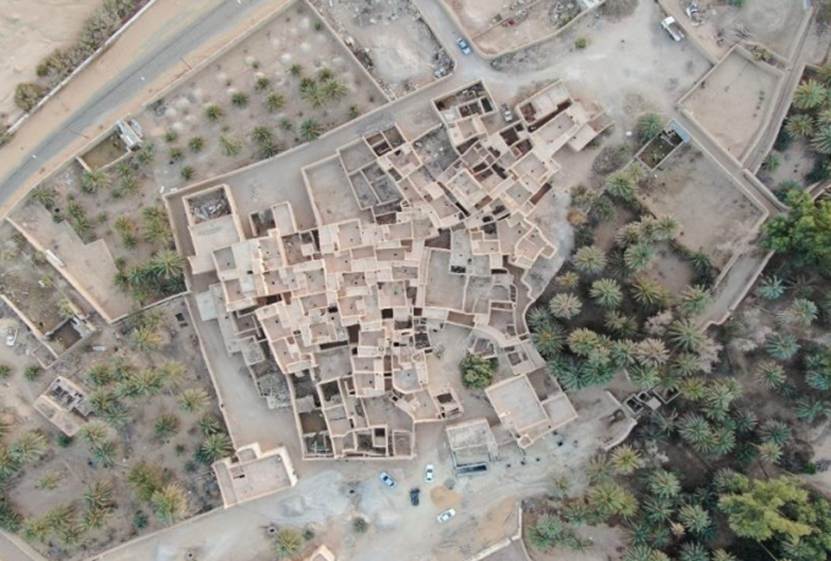
Tunin Village is located in the north-western part of Libya, 3 kilometres from the centre of the city of Ghadames, and is distinguished by its geographical location in the border triangle that links Libya with Algeria and Tunisia, and 650 kilometres from the capital city of Tripoli.
The village is surrounded by many of the topographical features such as a salt marsh and beside it a chain of sand dunes which are considered an important destination for tourists and visitors of the village
The village is made up of three lineages (families), who are the sons of Maabad and the sons of Bishr and the sons of Abd al-Qadir, where everyone merged into a single lineage by kinship and intermarriage, and shared life in its sweetness and bitterness.
It was called the Zawiya of Sidi Maabad after its founder Maabad ibn Amr ibn al-Fudayl who lived for a period in the old city of Ghadames, then its name changed to (Tunin) which means the one with wells, around 1200 AH.
The village embraces the oldest of the Senussi zawiyas founded by the grandfather of King Senussi Muhammad ibn Ali al-Senussi, and it consists of several rooms. The zawiya was a destination for many of the students of the African countries and the neighbouring countries to seek knowledge, and this zawiya was abandoned after another was built in Ghadames.
The buildings of this village do not differ much from the old buildings of the city of Ghadames in shape and architectural style, except that these houses have two floors only, a ground floor and the roof, while the houses of the old city consisted of three floors interspersed with several levels. Several buildings have collapsed and about 50 houses remain of them, some of which are not in good condition.
Al-Rahba Square is considered the central heart of the general layout of the village, and it is a relatively large square compared to the rest of the squares, in whose heart lie unroofed benches for the elderly, and the square is connected closely to the mosque and the council, so it is to the north connected to the historical Tasarut channel by a sitting area for the sheikhs, which is like a pocket for this public square, and on the western side there are the orchards, and from the eastern side there is the old mosque in the village, and from the south-east it connects with the buildings of the village