Kuwait
 Qatar
Qatar
 Saudi Arabia
 Palestine
Palestine
Palestine
 Oman
Oman
 Syria
Syria
 Tunisia
Palestine
Tunisia
Palestine
 United Arab Emirates
 Yemen
Yemen
 Libya
Saudi Arabia
Libya
Saudi Arabia
 Morocco
 Algeria
 Egypt
Egypt
 Iraq
Iraq
 Mauritania
Qatar
Oman
Oman
Oman
Mauritania
Qatar
Oman
Oman
Oman
 Jordan
Qatar
Iraq
Jordan
Qatar
Iraq
 Lebanon
Saudi Arabia
Saudi Arabia
Saudi Arabia
Lebanon
Saudi Arabia
Saudi Arabia
Saudi Arabia
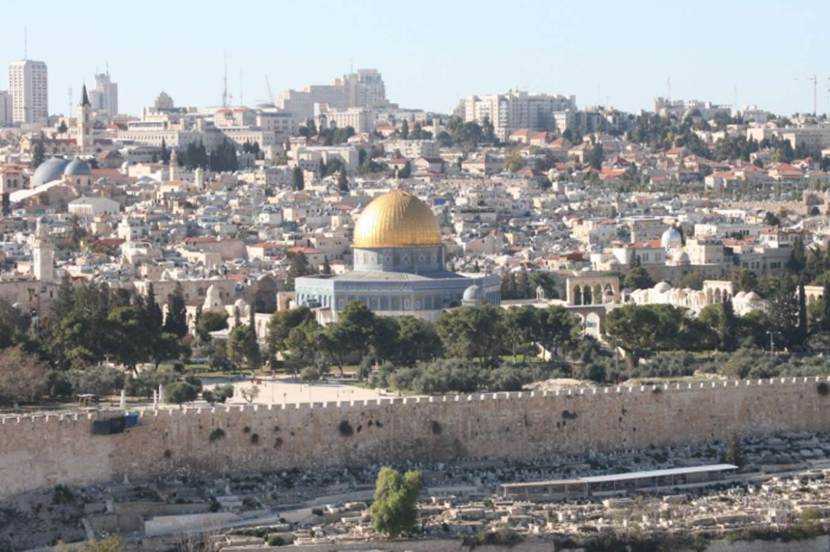
The city of Jerusalem is located in the center of Palestine on its central highlands, between the Mediterranean Sea to the west and the Dead Sea to the east, which granted it a strategic location that helped it develop as one of the most prominent religious and cultural centers in the world.
The Old Town of Jerusalem is one of the oldest and richest towns in the world in terms of history and architecture; its establishment dates back more than five thousand years, which makes it a living witness to the development of successive civilizations and cultures, as well as being home to many important religious and cultural events throughout history, which made it a spiritual and cultural center for the three heavenly religions: Judaism, Christianity, and Islam.
Human settlement in Jerusalem began in the Chalcolithic era and has continued to this day, and its development continued through the various eras. In the Byzantine period, many churches and monasteries were built, although what has reached us of them is limited, with the exception of the Church of the Holy Sepulchre. With Islam's entry into Jerusalem at the hands of the Caliph Umar ibn al-Khattab in the seventh century, the town took on an important Islamic character and witnessed periods of prosperity, especially during the Umayyad and Mamluk eras. The Arab-Islamic architectural development shaped the essential features of the present town, so that the strength and grandeur of Islamic rule appear clearly through what was built of buildings, complexes, markets, tekkes, schools, arcades, corners, and mosques, the most important of which are the blessed Al-Aqsa Mosque and the Dome of the Rock, which were built in the Umayyad period.
 Old Jerusalem and its walls were inscribed on the UNESCO World Heritage List in the year 1981 CE  at the request of the Hashemite Kingdom of Jordan, and in the following year it was placed on the List of World Heritage in Danger.
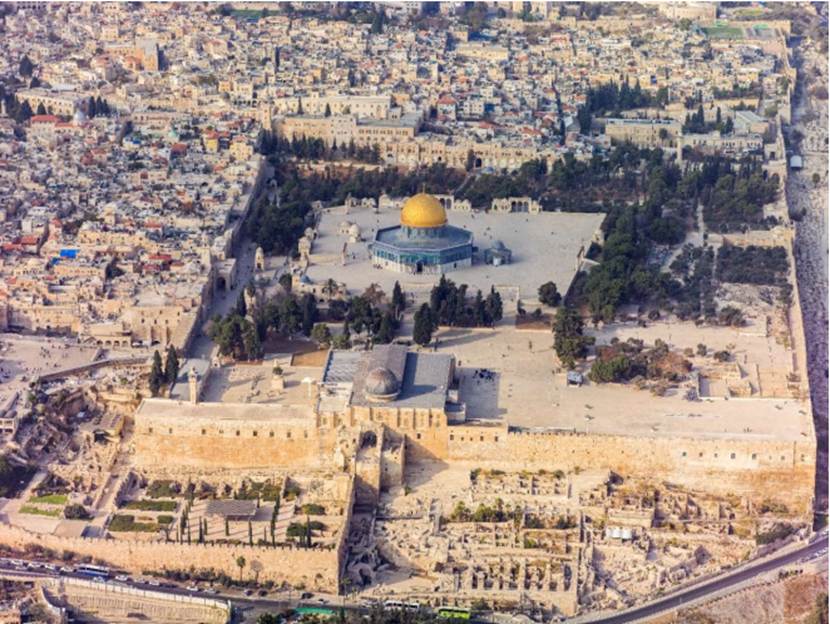
The Old Town of Jerusalem is one of the most important historic cities in the world, as it combines religious architecture, unique urban planning, and archaeological landmarks that reflect the succession of civilizations and historical eras, along with the distinctive architectural elements and artistic ornamentation it features, represented in the domes, arches, and vaults that extend across the streets and narrow alleys, the paved floors, and the balconies and mashrabiyas that adorn the windows, and the stones decorated with vegetal and geometric patterns. It contains seven main gates, including: the Damascus Gate, the Hebron Gate, the Lions' Gate, and the Moroccans' Gate, each of which is distinguished by distinctive Islamic architectural and decorative elements. The Old Town also includes many neighborhoods that embrace religious and historical landmarks of great value. In the Islamic Quarter lies the Noble Sanctuary (Haram), which houses in its courtyards the noble Dome of the Rock, with all its architectural and artistic elements that make it an exceptional masterpiece and evidence of the art of architecture in that important era, in addition to the Al-Aqsa Mosque (the Qibli Mosque) with its engraved wooden ceilings and its massive marble columns, and the schools and historic buildings surrounding them that were built in the Mamluk period and form a beautiful artistic shield surrounding the courtyards of the Al-Aqsa Mosque from the northern and western sides, the most important of which is the Ashrafiyya School, which is considered the third architectural masterpiece after the Dome of the Rock and the blessed Al-Aqsa Mosque.
The city has witnessed many restorations and additions through the ages, as a new gate was added at the end of the nineteenth century (the New Gate), and many historic landmarks were restored to preserve their various values, which formed special features in the Old Town of Jerusalem and exceptional universal values that qualify it for registration on the World Heritage List, including authenticity and integrity in all its buildings, neighborhoods, elements, and its unique exceptional value.