The content is automatically translated - it may contain errors. It will be reviewed soon.
ALECSO participates in the international conference “Artificial Intelligence: New Horizons for the Future of Higher Education” at Zaytouna University
Apr, 18 2025
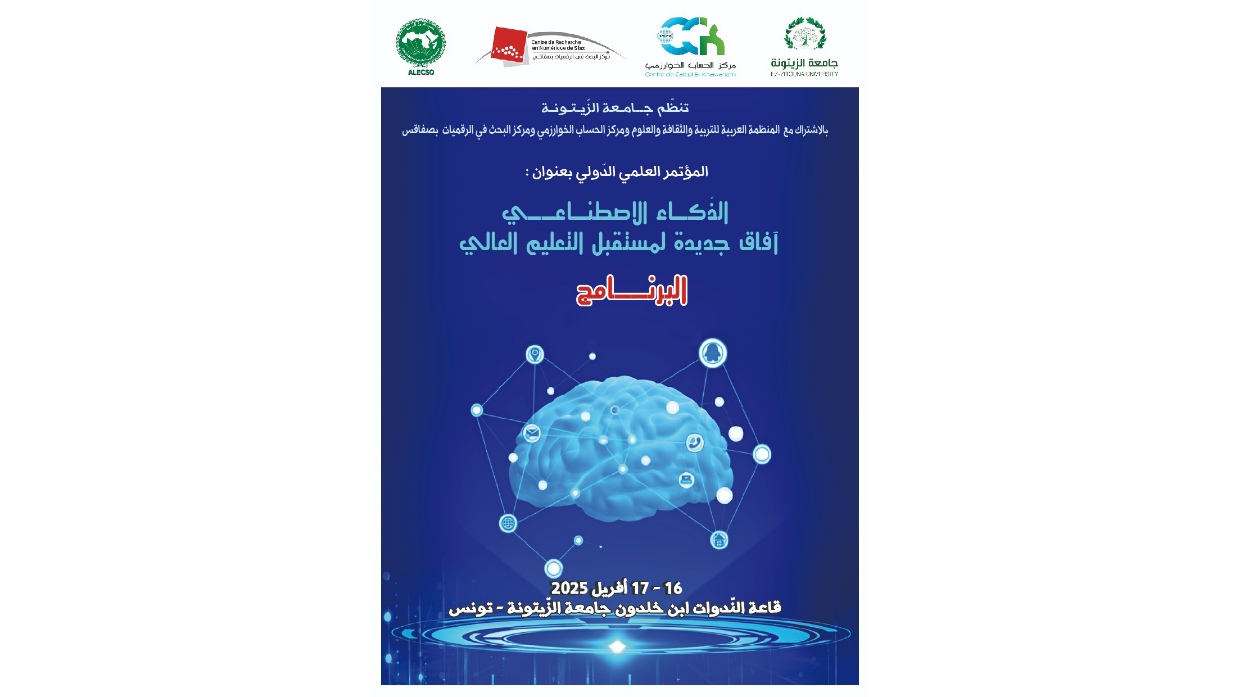
 Event venue : Tunisia
 Execution :
[Auto-translated content]
The Arab Educational, Cultural and Scientific Organization (ALECSO) participated in the work of the international scientific conference organized by Zaytouna University in Tunisia on April 16 and 17, 2025, under the title: “Artificial Intelligence: New Horizons for the Future of Higher Education,” in partnership with the Al-Khwarizmi Computation Center and the Research Center in Digitalization in Sfax, and with the participation of an elite group of experts and academics from Tunisia and a number of Arab countries. The opening speech of the conference was delivered on behalf of His Excellency Professor Dr. Mohamed Ould Omar, Director General of ALECSO, and Engineer Ziad Al-Maazawy, an expert in the Department of Information and Communication Technology, in which he stressed ALECSO’s commitment to keeping pace with digital transformations in the fields of education and scientific research, and highlighted the efforts it is making in the field of artificial intelligence, especially through the preparation of the “ALECSO Charter for Ethics in Artificial Intelligence,” and its call to develop a major Arabic linguistic model that preserves cultural and Islamic identity and contributes to strengthening Arab digital sovereignty. Professor Dr. Muhammad Al-Jumni, Director of the Information and Communication Technology Department, also participated in a scientific intervention on the second day of the conference entitled: “Generative Artificial Intelligence and Major Linguistic Models: Opportunities and Challenges,” in which he reviewed the accelerating global context in the development of major linguistic models (LLMs), and the challenges facing the development of Arabic models capable of representing the Arabic language in all its dialects, while emphasizing the necessity of taking into account ethical and environmental considerations in developing these technologies. The intervention also touched on ALECSO projects in this field, including the recommendations of the Second Arab International Conference on Artificial Intelligence in Education (October 2024), which recommended enhancing the use of generative artificial intelligence in developing curricula, improving evaluation, and facilitating education for people with special needs. ALECSO's participation in this conference comes within the framework of the agreement concluded between the organization and Zaytouna University, and its keenness to support cooperation paths with Arab universities and research centers, and to enhance scientific dialogue on the safe and responsible use of artificial intelligence in the service of educational development in the Arab world.
Related articles
Sep, 23 2026
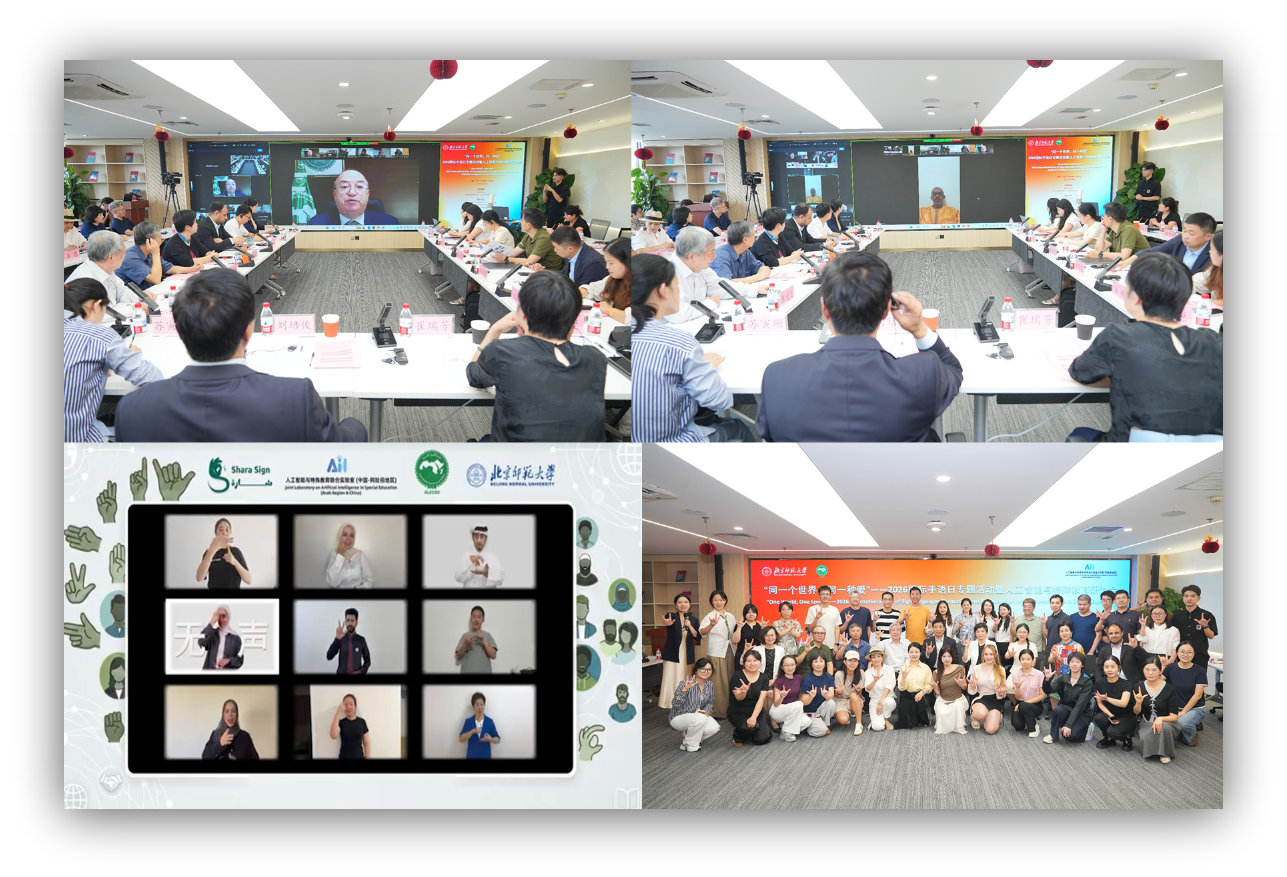
ALECSO participates in the opening of the International Day of Sign Languages demonstration and launches the global video - One World, One Love
Read more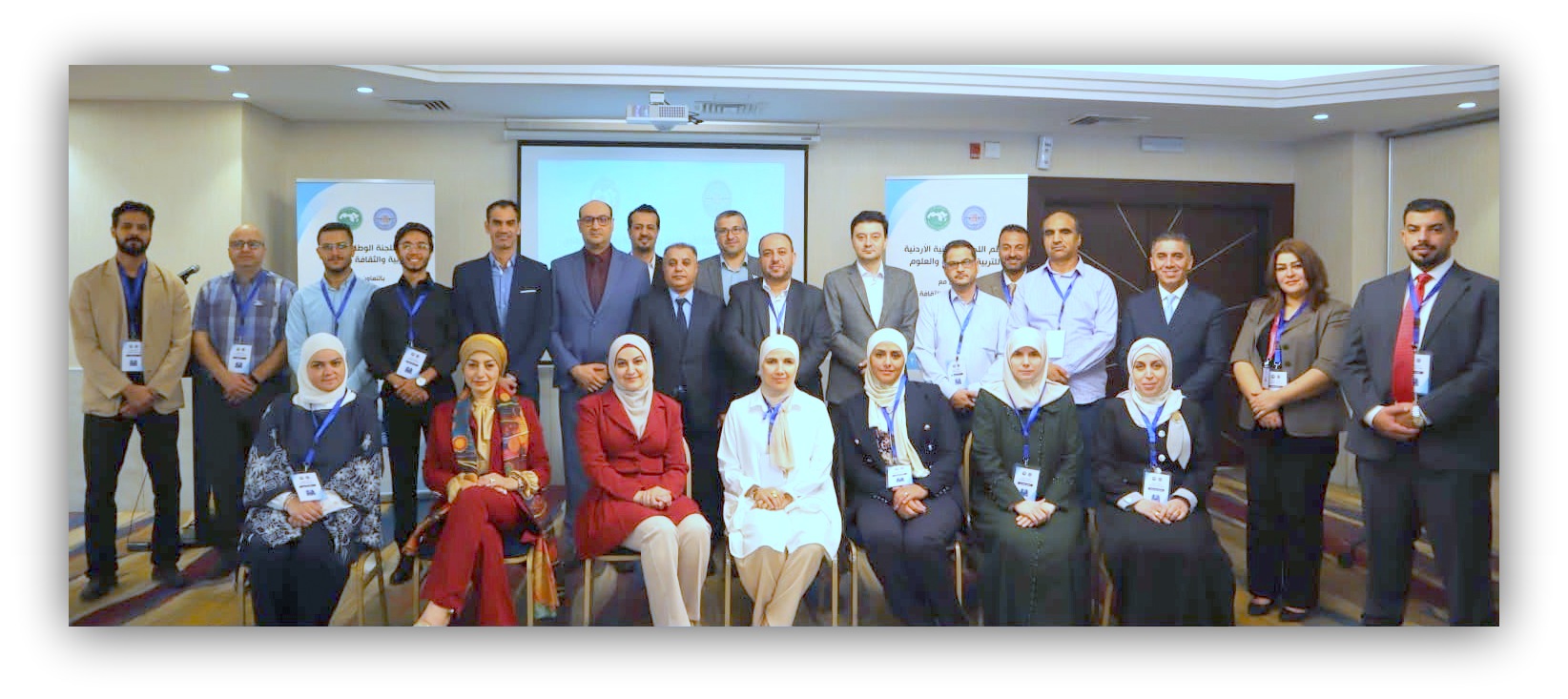
Sep, 23 2026
ALECSO organizes a training course in Amman on advanced employment of artificial intelligence
Read more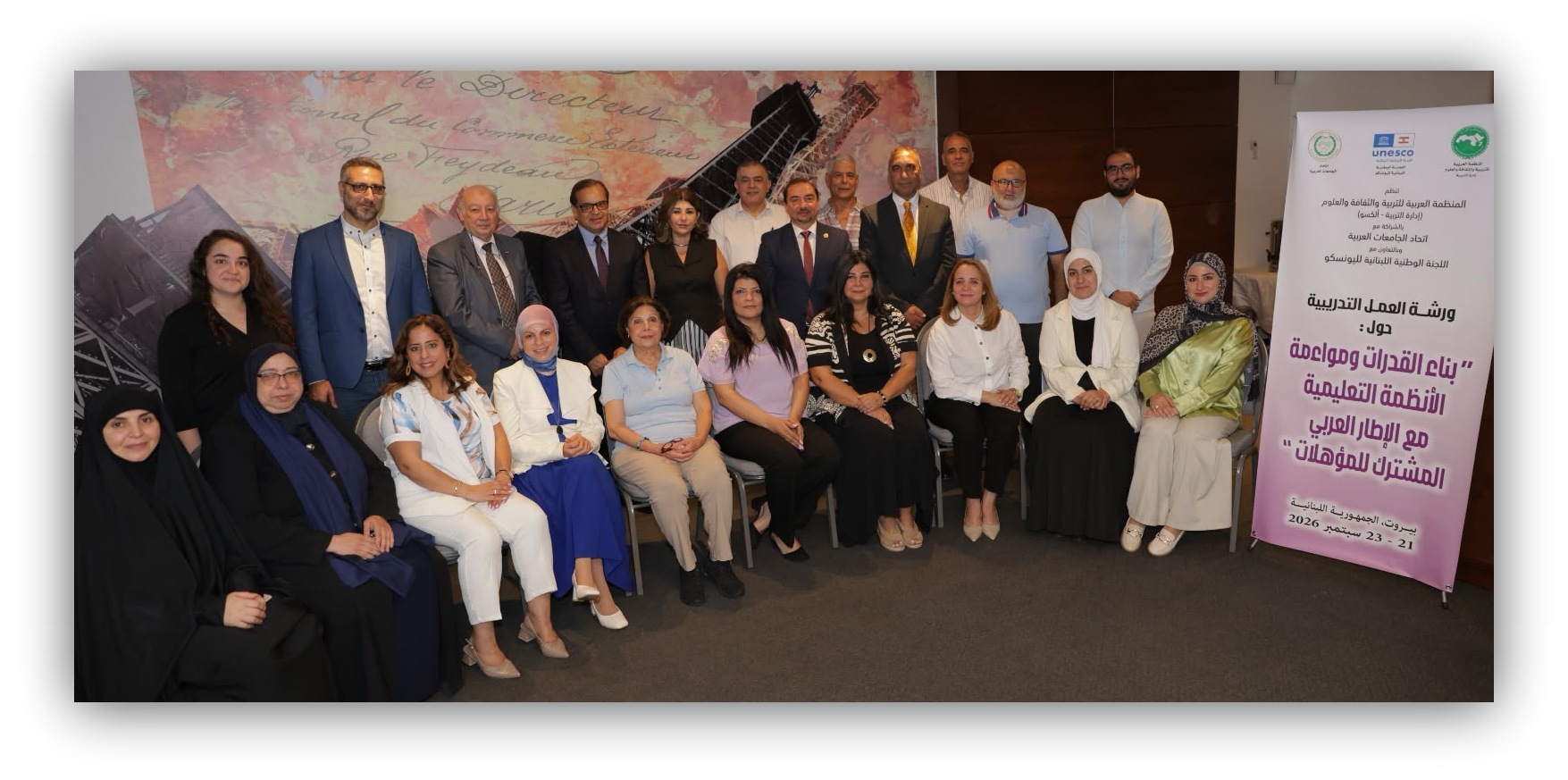
Sep, 23 2026
الألكسو تطلق في بيروت ورشة إقليمية لتعزيز جودة المؤهلات التعليمية وبناء الثقة في مخرجات التعلم
Read moreLatest News
Sep, 23 2026
ALECSO participates in the opening of the International Day of Sign Languages demonstration and launches the global video - One World, One Love
On September 23, 2026, the Arab Educational, Cultural and Scientific Organization (ALECSO) participated in organizing the international event “One World, One Love,” which was held on the occasion of…
Read more
Sep, 23 2026
ALECSO organizes a training course in Amman on advanced employment of artificial intelligence
The Arab Educational, Cultural and Scientific Organization (ALECSO) Department of Education, in cooperation with the Jordanian National Commission for Education, Culture and Science, is organizing,…
Read more
Sep, 23 2026
الألكسو تطلق في بيروت ورشة إقليمية لتعزيز جودة المؤهلات التعليمية وبناء الثقة في مخرجات التعلم
انطلقت في العاصمة اللبنانية بيروت أعمال الورشة التدريبية الإقليمية" تعزيز جودة المؤهلات التعليمية في ضوء الإطار العربي المشترك"، التي تنظمها المنظمة العربية للتربية والثقافة والعلوم (الألكسو) ممثلة…
Read more