The content is automatically translated - it may contain errors. It will be reviewed soon.
The launch of the scientific workshop on “Using Artificial Intelligence to Serve Arab Culture” in the Lebanese Republic
Oct, 01 2025
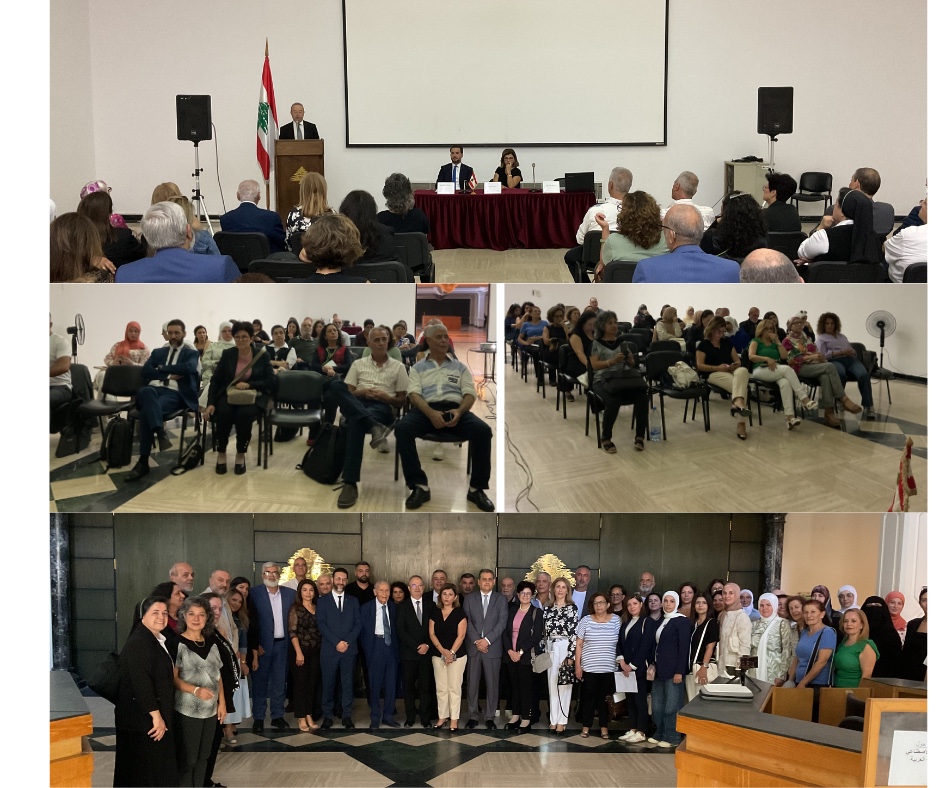
 Event venue : Lebanon
 Today, Tuesday, September 30, 2025, the scientific workshop on “Using Artificial Intelligence to Serve Arab Culture” was opened at the UNESCO Palace in the Lebanese capital, Beirut, organized by the Arab League Educational, Scientific and Cultural Organization (ALECSO) in cooperation with the Lebanese National Commission for Education, Science and Culture, under the auspices of the Lebanese Ministry of Culture, and with the participation of an elite group of experts and specialists in the fields of artificial intelligence and culture. The opening session witnessed official speeches that began with a speech by His Excellency Dr. Ghassan Salamé, Minister of Culture of the Lebanese Republic, delivered on his behalf by Dr. Ali Al-Samad, Director General of Culture at the Ministry, then followed by a speech by His Excellency Professor Amira Al-Solh, Secretary-General of the Lebanese National Commission for Education, Science and Culture, then a speech by His Excellency Dr. Mohamed Ould Omar, Director General of the Arab League Educational, Scientific and Cultural Organization, which was delivered on his behalf by Prof. Dr. Mohamed Al-Jumni, Director of the Department of Information and Communication Technology, where it took place. Emphasizing the importance of employing artificial intelligence technologies to enhance the presence of Arab culture in the digital age, and the necessity of investing in innovation to preserve heritage and cultural identity. The first day of the workshop included a series of scientific interventions, which opened with a general lecture presented by Dr. Muhammad Al-Jamni, during which he reviewed the latest applications and projects launched by ALECSO in the field of artificial intelligence, followed by an intervention by Dr. Murad Al-Sakli entitled “On the dialectical relationship between technology and culture.” Dr. Samia Al-Shalabi also presented two interventions, the first on “Artificial Intelligence in Films and Interactive Games,” and the second entitled “Artificial Intelligence Tools in Culture and Arts.” In the second half of the day, Dr. Pierre Gideon discussed the development of artificial intelligence and its impact on culture, highlighting the opportunities and challenges associated with it, while Dr. Ramzi Farhat addressed the topic “Artificial Intelligence in the Service of Cultural Institutions: Data Analysis and Machine Learning as an Example.” The first day concluded with an open discussion session that brought together experts and participants to exchange visions and experiences. On its first day, the workshop was distinguished by the presence of 65 experts and specialists from the fields of artificial intelligence and culture, as well as representatives of Lebanese cultural, academic and university institutions, as part of a joint endeavor towards digitizing culture.
Related articles
No articles found
Latest News
Sep, 08 2026
Statement by the General Secretariat of the League of Arab States and the Arab Educational, Cultural and Scientific Organization (ALECSO) on the occasion of International Literacy Day (September 8, 2026)
"From responding to challenges to anticipating the future : Towards a sovereign Arab system for adult education, lifelong learning, and digital transformation" The General Secretariat of the League…
Read more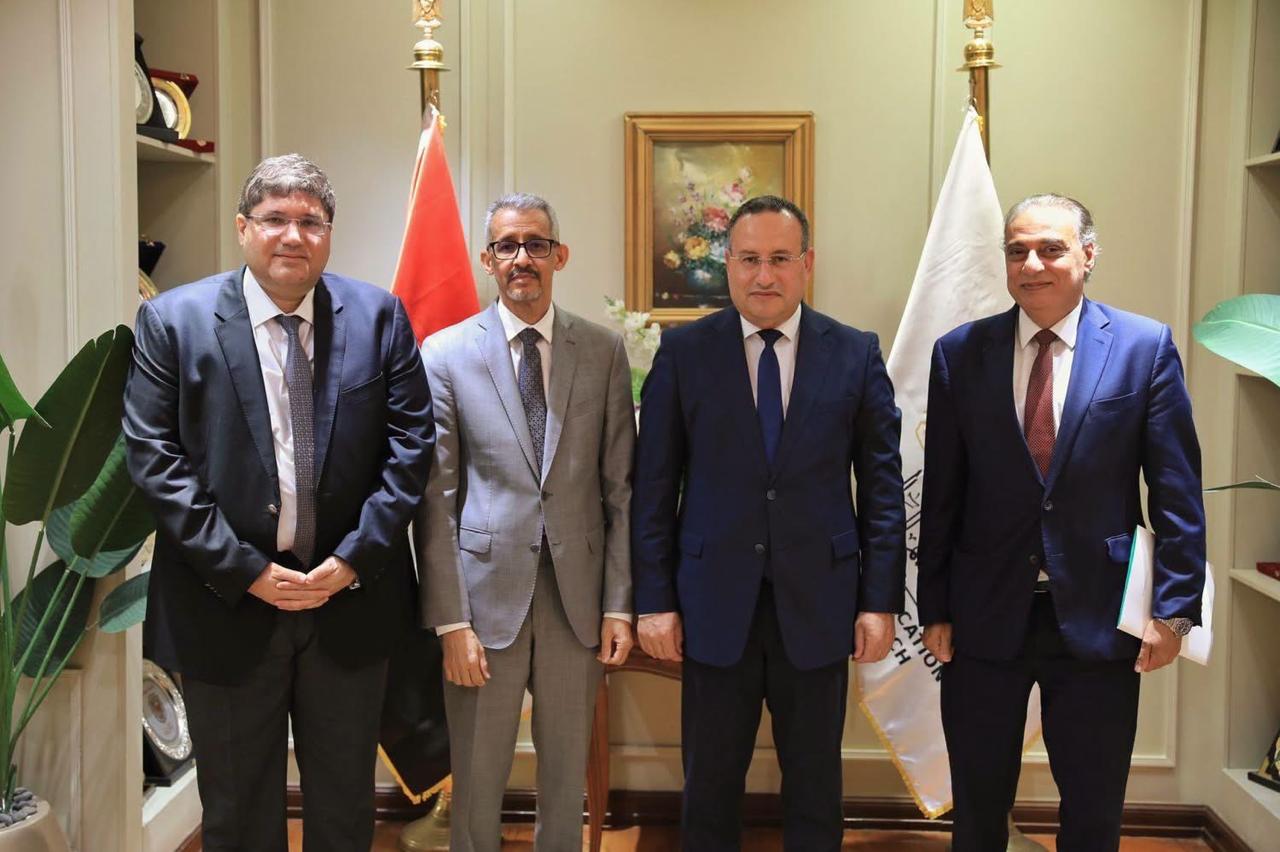
Sep, 03 2026
The Director General of ALECSO meets with the Minister of Higher Education and Scientific Research and the Acting Minister of Culture of Egypt
His Excellency Professor Dr. Mohamed Ould Omar, Director General of the Arab Educational, Cultural and Scientific Organization (ALECSO), met with His Excellency Dr. Abdel Aziz Qansoua, Minister of…
Read more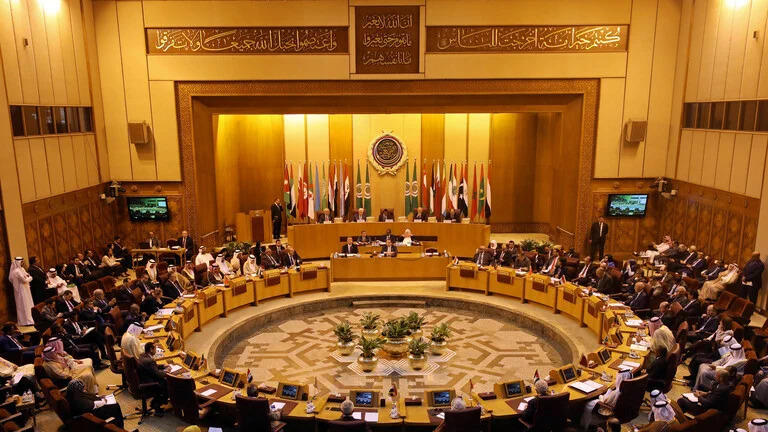
Sep, 02 2026
ALECSO participates in the 118th session of the Economic and Social Council of the League of Arab States in Cairo
The Arab Educational, Cultural and Scientific Organization (ALECSO) participates in the work of the 118th session of the Economic and Social Council of the League of Arab States, held at the…
Read more